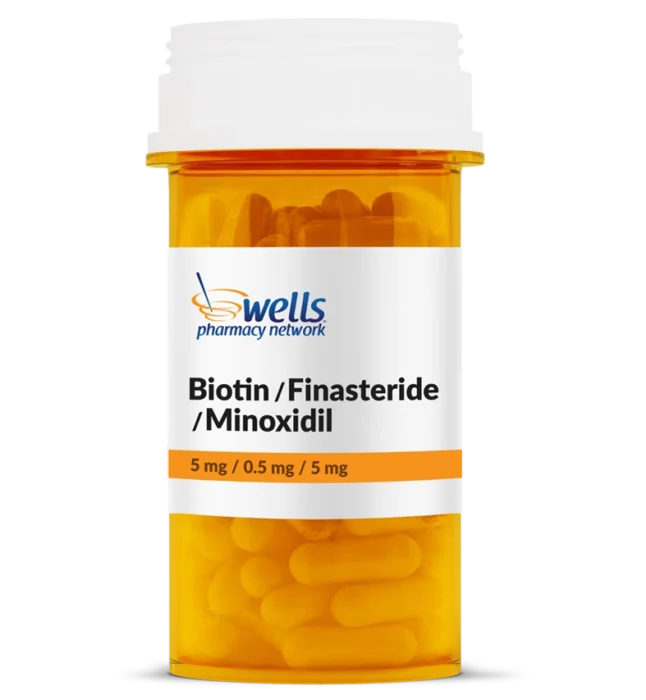
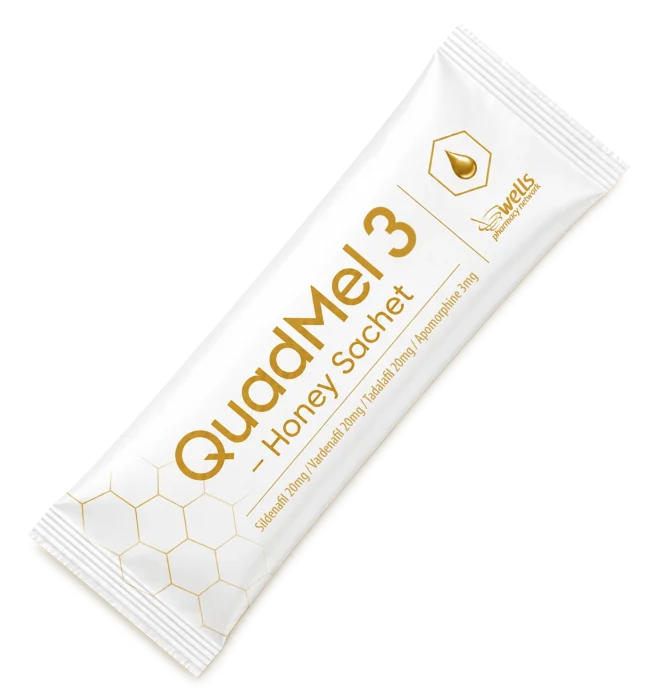
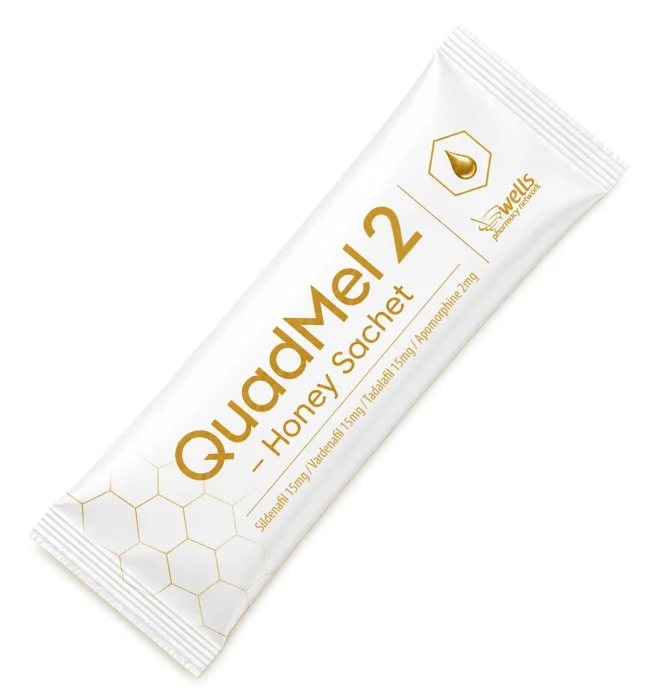
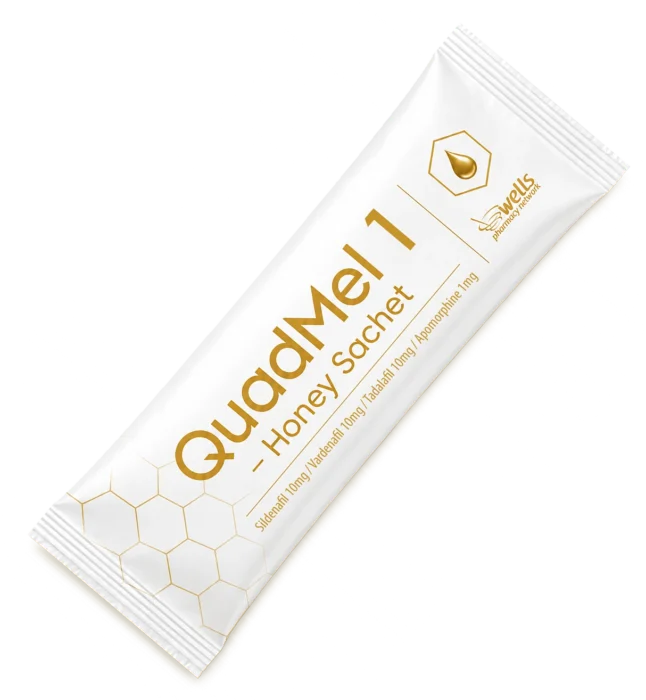
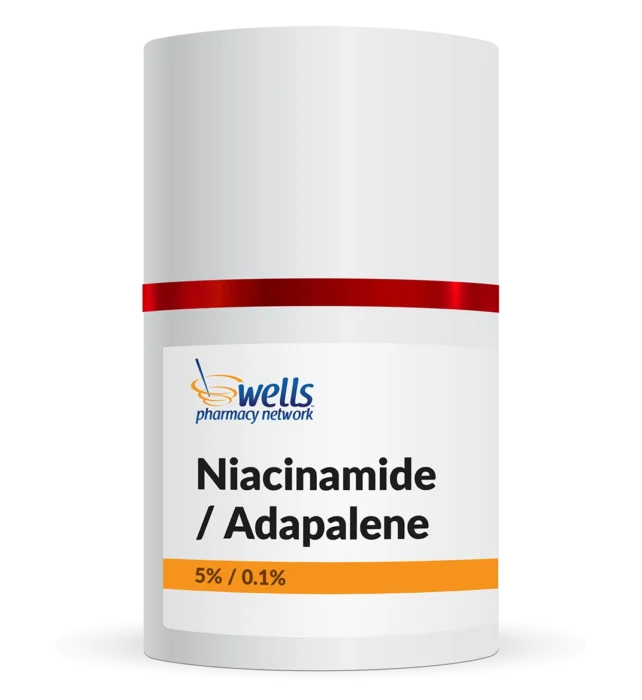
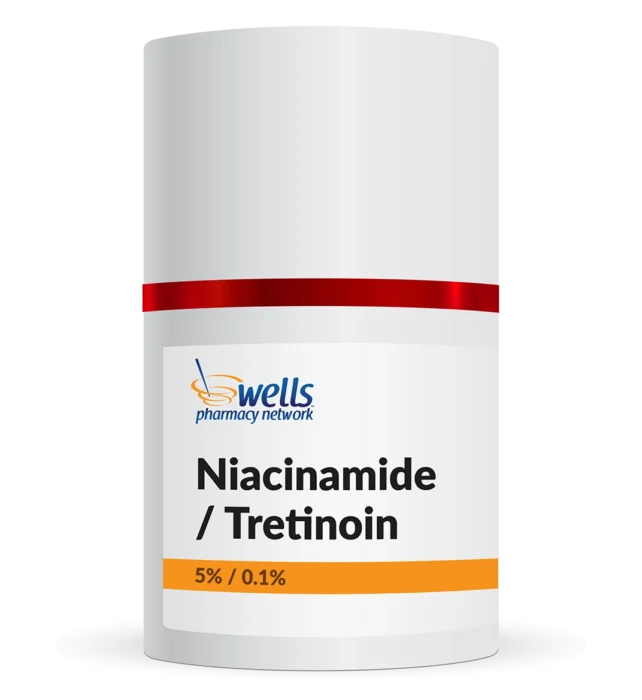
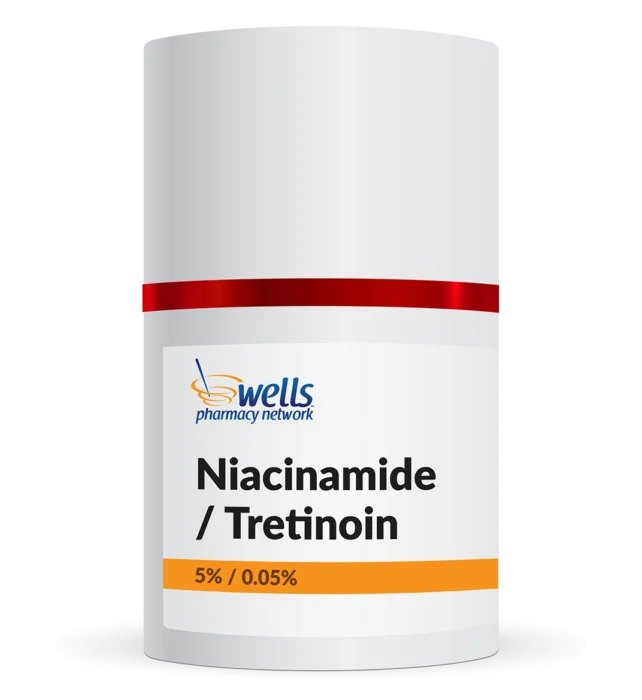
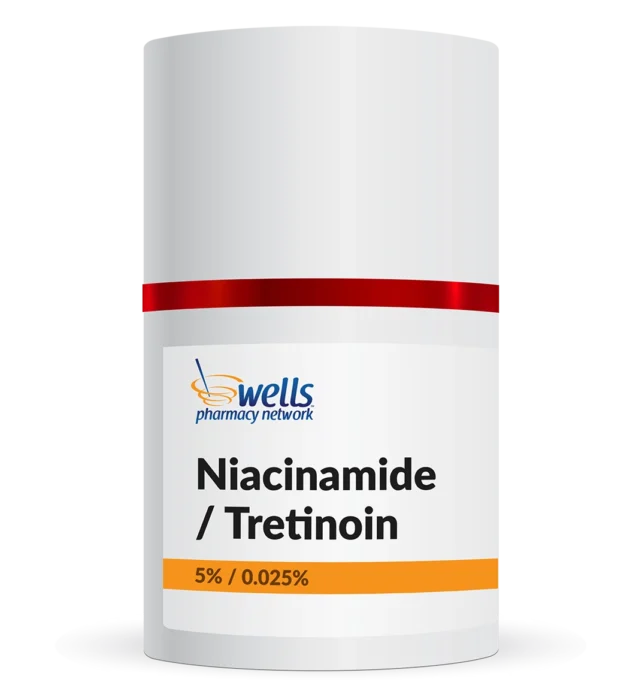
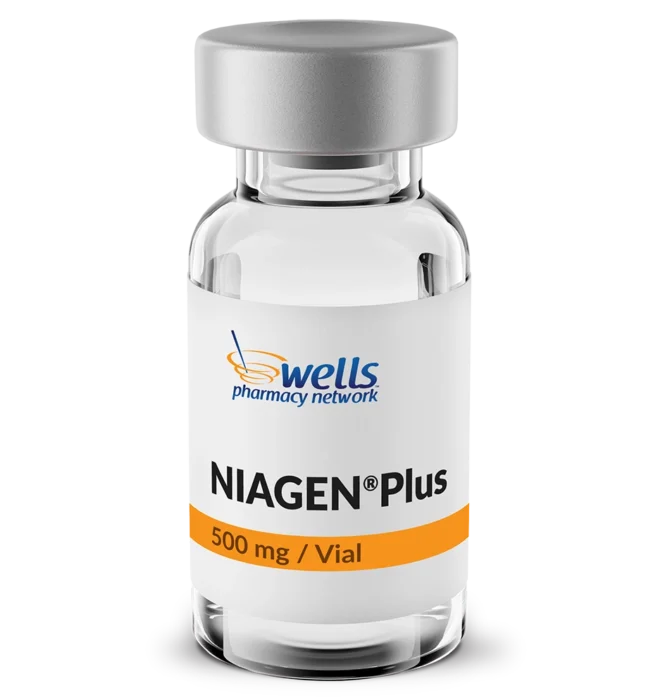
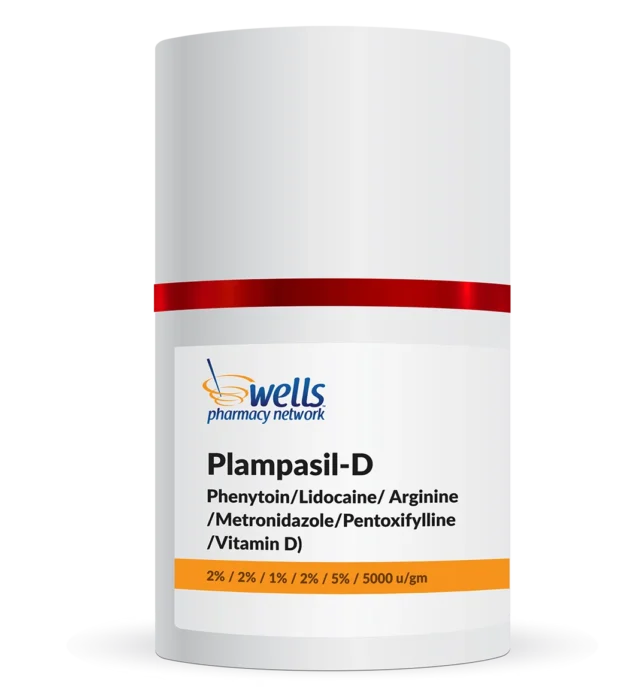
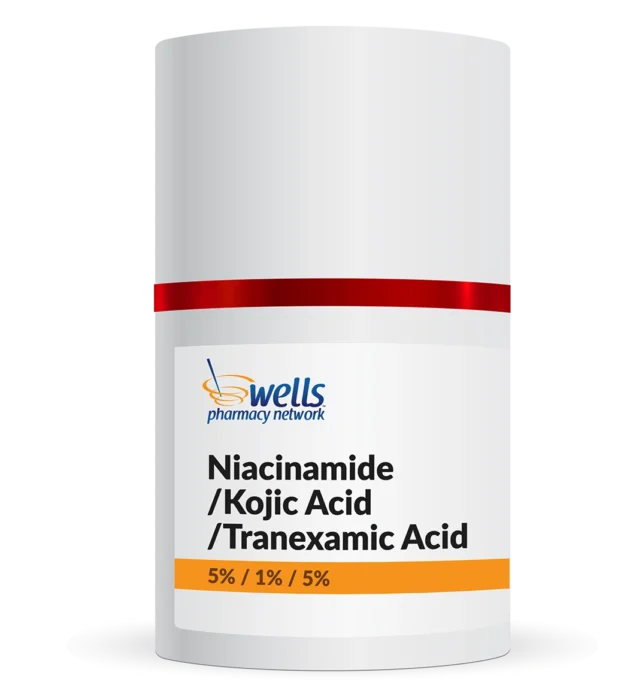
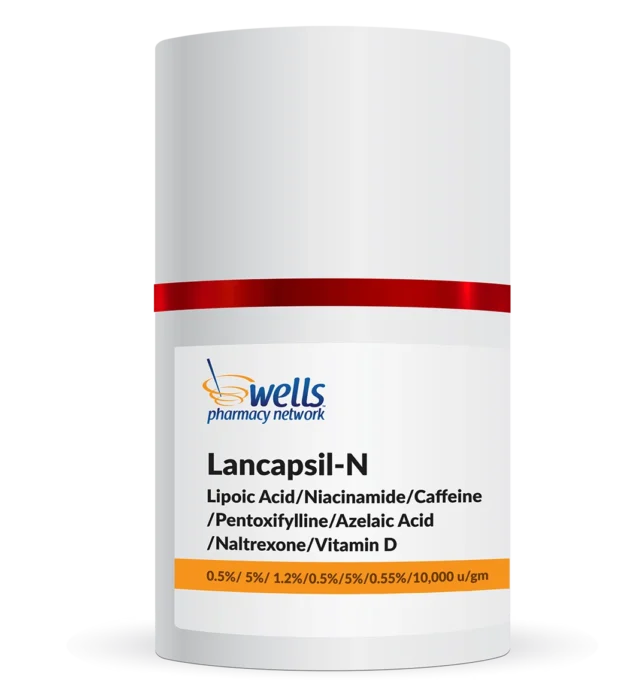
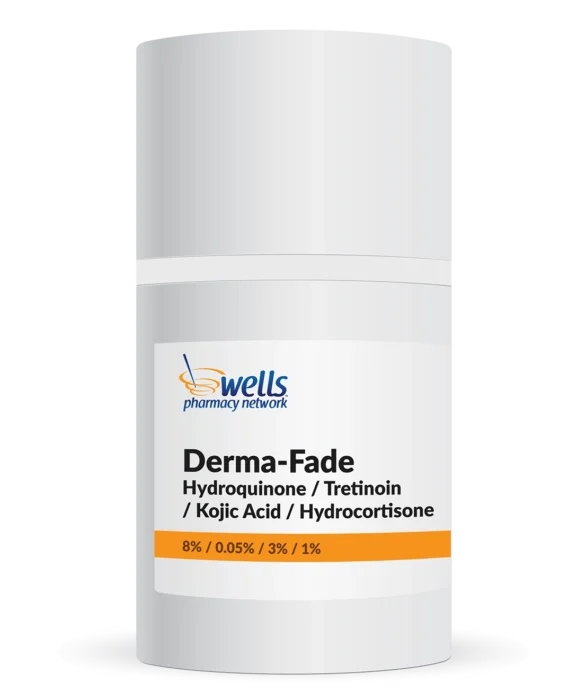
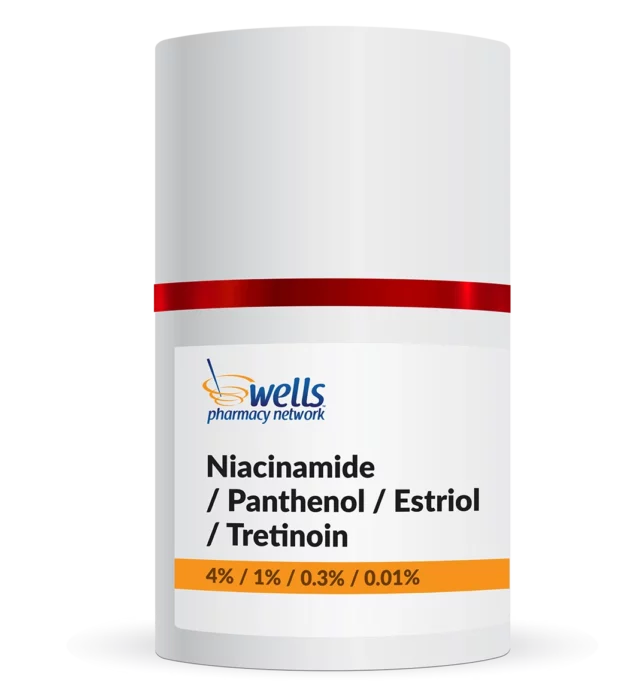
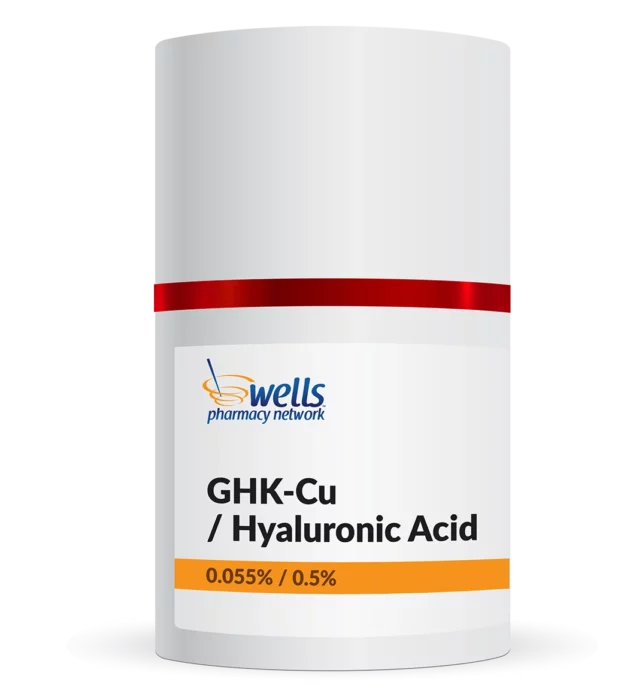
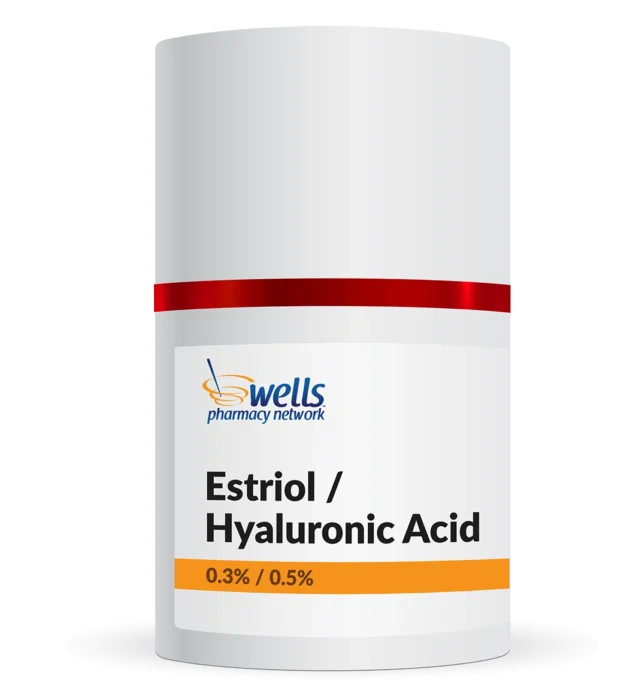
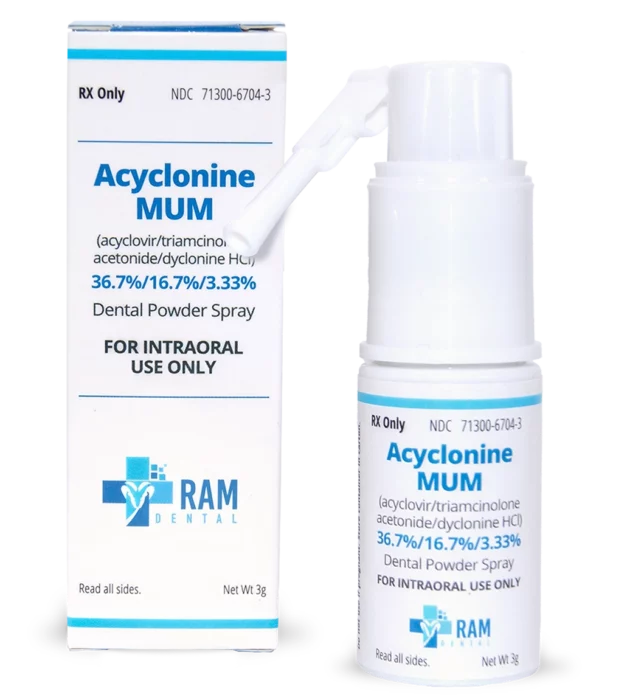
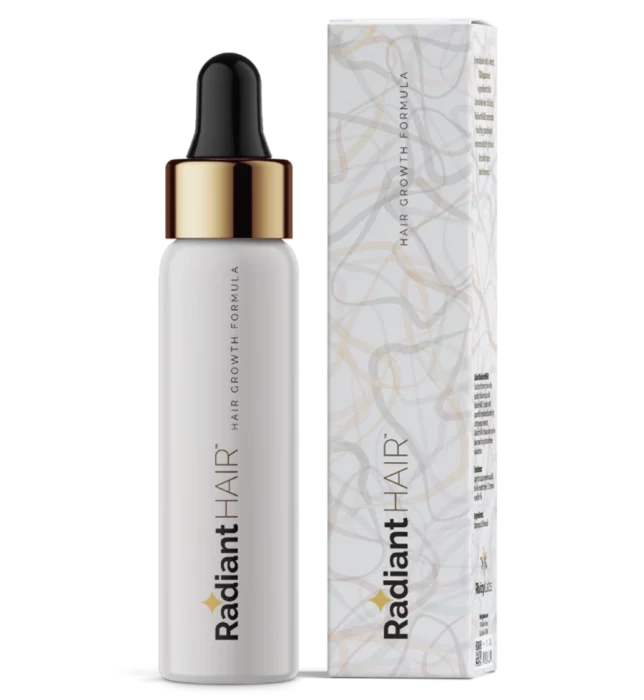
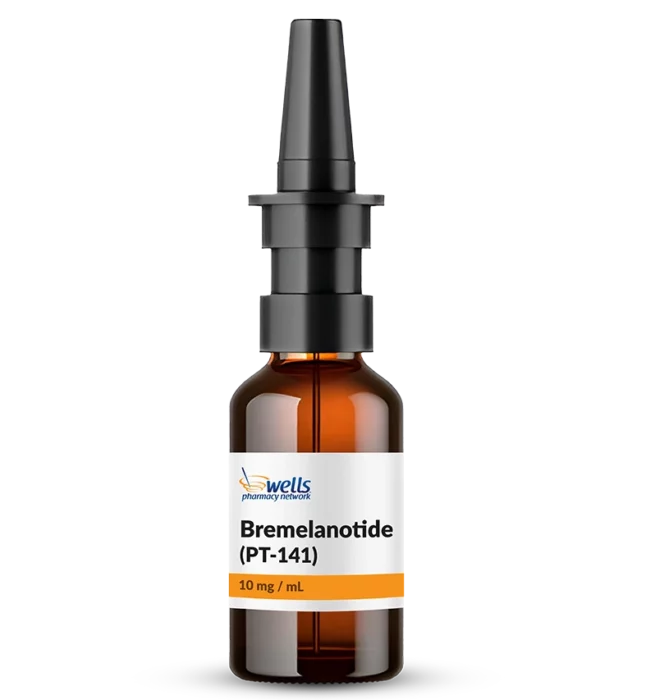
Disclaimer:Images are for reference only; actual products may vary.
Product Overview
Description
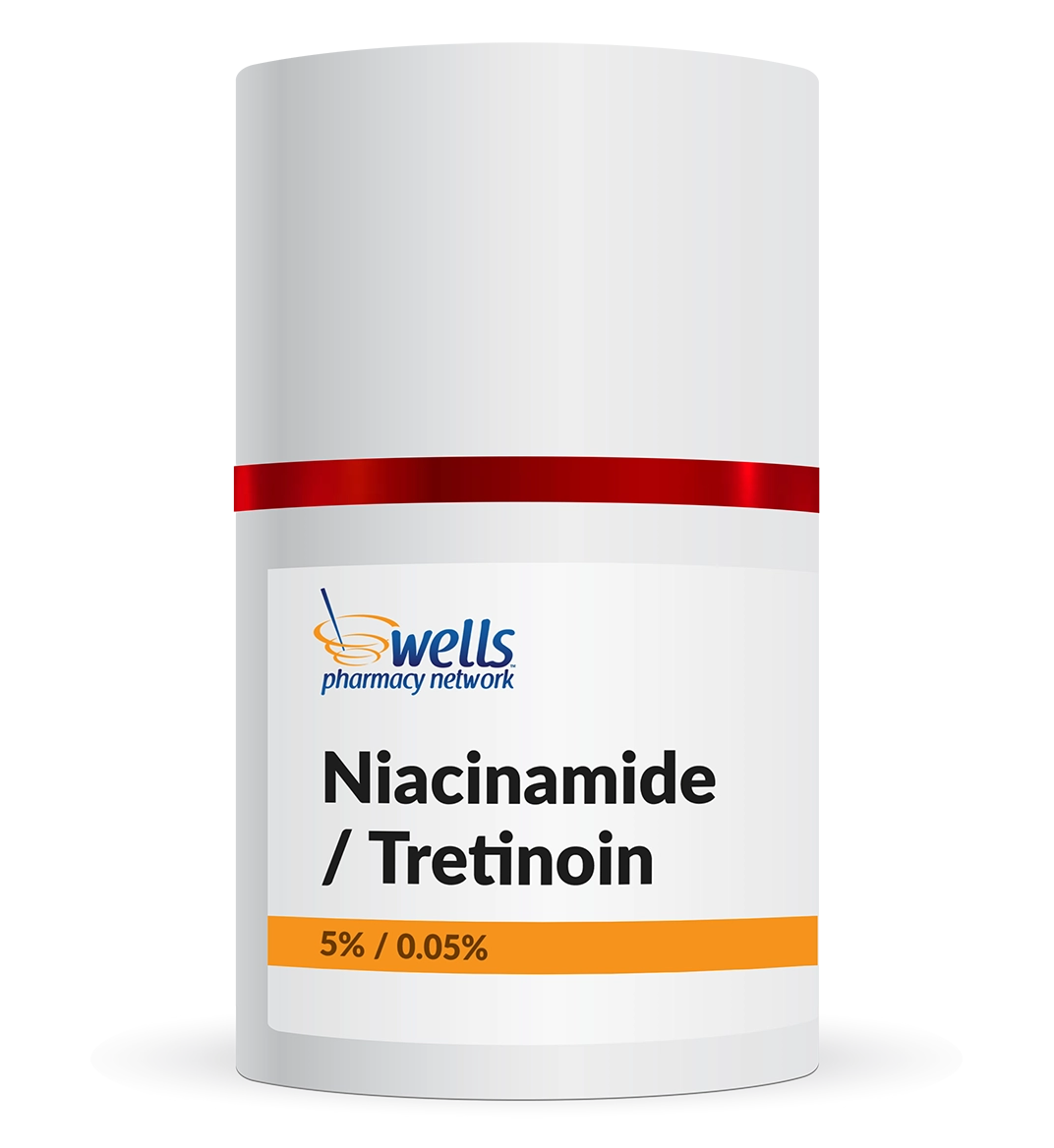
This is a compounded skincare formulation prepared with niacinamide and tretinoin to support healthy looking skin. The ingredients are commonly used to inhibit melanin production, decrease the appearance of wrinkles, and for an even complexion.
Niacinamide1-3
Niacinamide, a form of vitamin B3, is a water-soluble vitamin that is essential for cellular metabolism. Niacin and niacinamide are both forms of vitamin B3 but have slight structural differences. It is known for skin soothing, and its role may help calm irritation and strengthen the skin barrier. Topically, niacinamide may be helpful for acne vulgaris, melasma, psoriasis and aging skin.
Tretinoin4,5
Tretinoin, a naturally occurring derivative of vitamin A, is also called all-trans-retinoic acid. Retinoids may facilitate regulation of cell reproduction, cell proliferation, and differentiation. Tretinoin is thought to facilitate skin cell turnover. It is used at provider direction in customized plans for acne vulgaris and for photoaging including facial wrinkles, skin roughness and hyperpigmentation. For hyperpigmentation disorders, tretinoin is thought to prevent the transcription of the enzyme tyrosinase which minimizes melanogenesis.
Ong RR, Goh CF. Niacinamide: a review on dermal delivery strategies and clinical evidence. Drug Deliv Transl Res. 2024 Dec;14(12):3512-3548. doi: 10.1007/s13346-024-01593-y. Epub 2024 May 9. PMID: 38722460.
Yoham AL, Casadesus D. Tretinoin. March 27, 2023. Accessed July 27, 2025.
Mechanism of Action
Niacinamide1-3
Niacinamide has various mechanisms of activity to support skin health. Niacinamide is a precursor to the NAD(P) family of coenzymes. These coenzymes are important for metabolic activity in the skin. The reduced form, NAD(P)H, has antioxidant activity and works to neutralize free radicals. Niacinamide provides anti-inflammatory activity and decreases sebum excretion. It has been studied for acne vulgaris by affecting neutrophil chemotaxis and suppresses cytokine-mediated induction of nitric oxide synthase. In addition, niacinamide has been studied for its role in prevention of photoimmunosuppression and photocarcinogenesis, loss of collagen in the dermal layer of skin, and improvement in the barrier function of the skin. Niacinamide has been studied for its support of increasing collagen production reducing the amount of dermal glycosaminoglycans that are seen with photodamaged or wrinkled skin. Niacinamide may support the barrier function of the skin by increasing the lipid and protein stratum corneum. This increase in lipid and protein decreases the trans-epidermal water loss and provides resistance to skin damage from damaging agents. Niacinamide also is thought to inhibit the transfer of melanin from the melanocytes to keratinocytes to decrease hyperpigmentation of skin.
Tretinoin4,5
Tretinoin binds to retinoic acid receptors (RARs) alpha, beta, and gamma along with retinoid X receptors (RXRs) to block inflammatory mediators. In addition, during the binding to the retinoid acid receptor, the production of procollagen increases to augment collagen type I and III formations.
Adverse Reactions
Niacinamide1-3,6
Common
Mild skin irritation
Redness
Burning or stinging sensation
Dryness
Pruritus
Tretinoin:4,5
Common
Burning sensation, irritation, erythema
Contraindications & Precautions
Contraindications1-6
Known hypersensitivity or intolerance to niacinamide, tretinoin or any excipients in the formulation
Precautions1-6
People with a history of allergies may experience histamine-mediated side effects such as itching or flushing and should use niacinamide with caution
Avoid application to broken or inflamed skin without professional guidance
Do not use in patients with open wounds
Photosensitivity with tretinoin
Initial “retinoid reaction” is common and usually subsides with continued use
Storage
Store at 20–25°C (68–77°F), in a cool, dry place, away from heat and direct sunlight. Do not freeze. Keep container tightly closed and out of reach of children.
Ong RR, Goh CF. Niacinamide: a review on dermal delivery strategies and clinical evidence. Drug Deliv Transl Res. 2024 Dec;14(12):3512-3548. doi: 10.1007/s13346-024-01593-y. Epub 2024 May 9. PMID: 38722460.
This information is for educational purposes only.
This compounded product has not been reviewed, approved, or evaluated by the Food and Drug Administration for safety and effectiveness. This product is not intended to diagnose, treat, cure, or prevent any disease. No claims are made regarding treatment, cure, or prevention of any disease or condition.
This information is a summary. It may not cover all possible drug information about this product. Call your doctor for medical advice and/or about side effects. You may report side effects to the FDA at 1-800-FDA-1088. A Wells Pharmacy Network pharmacist will be happy to answer any questions. For consultation, please call 1-800-622-4510.